

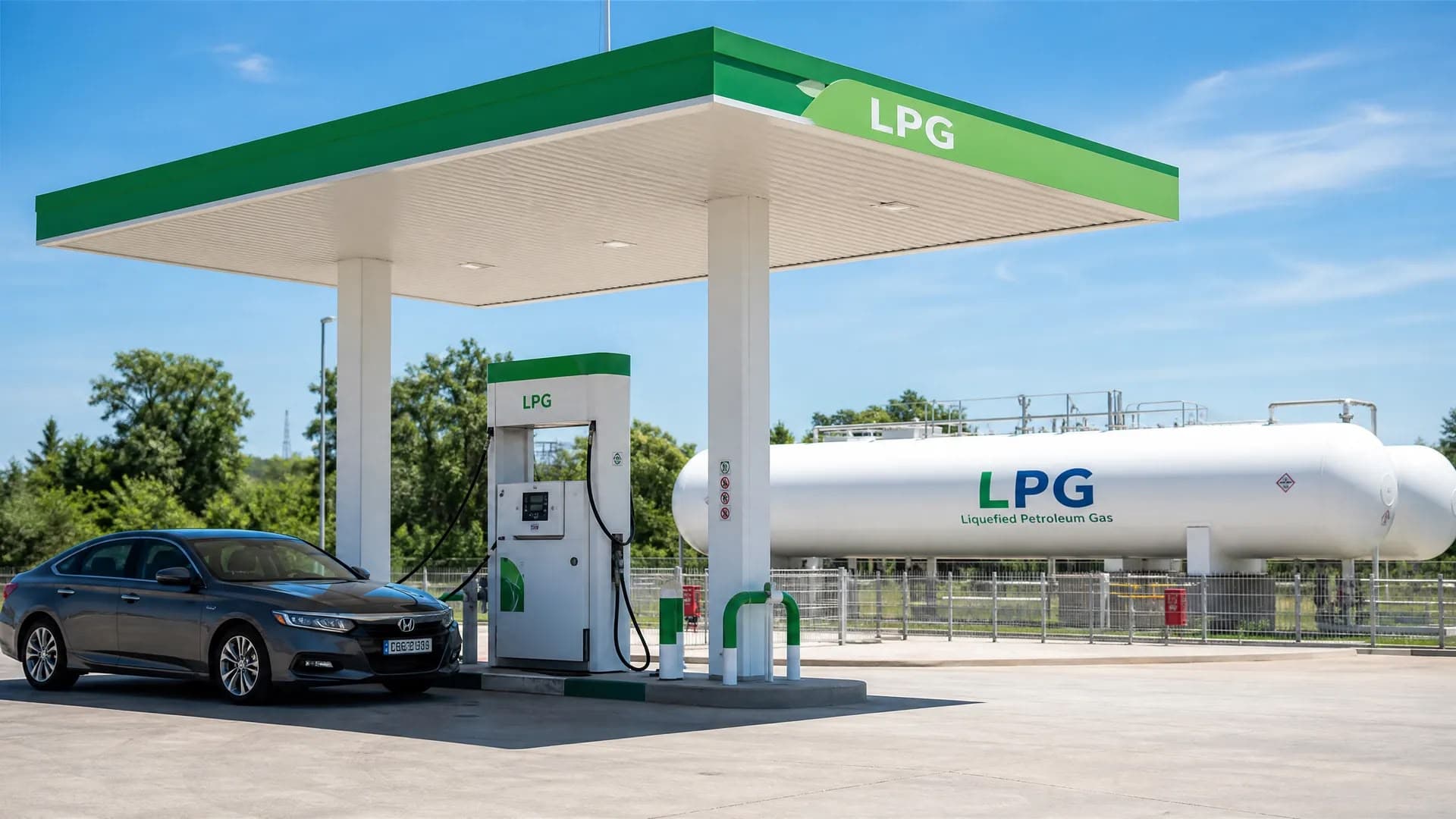
Gas Stations
The Energy Market Regulatory Authority (EPDK) has mandated that all gas stations switch to automation systems by December 31, 2015. Therefore, IPACK Automation Systems provides low-cost and high-performance automation solutions for these stations.
Tank Automation Systems
IPack PLCs allow for various probe connections. Information such as level, temperature, and pressure in the tank area can be transmitted to the IPack automation system in the electrical room via wired or wireless connection. The “IPack Tank Automation System” prevents overfilling of the tank with maximum level control, while protecting the motors with minimum level control.
With the “IPack Personnel Recognition System,” the central office and authorized personnel are notified when unauthorized personnel fill the tank, thus detecting and preventing unauthorized fillings. Tank level information can be sent to the Central Office and authorized personnel via SMS or email at desired time intervals and/or times.
When appropriate probes and sensors are used, tank temperature and pressure information can be obtained, and based on this data, gas and liquid phase information inside the tank is automatically calculated. All parameters can be changed and read via SMS.
Fixed level data is sent to the Central Office to detect probe malfunctions and/or system tampering. IPack rejects parameter changes via SMS messages not originating from Authorized GSM Numbers. Communications can be made via GPRS, SMS and/or ADSL.
Promotional Automation Systems
The iPack Promotion System begins when the customer scans their Points Card at the reader located next to the dispenser. The customer code on the Points Card is combined with the sales information on the server, and points are automatically credited to the customer's Points Card according to parameters predefined in the iPack promotion tracking software. Card information can be transferred to the system via wired or wireless connection. Example Points parameters:
- Based on the type of fuel purchased
- Based on the amount of fuel purchased
- Based on the purchase amount
- Based on the purchase time
- Based on customer characteristics
- Limited card usage
- Points accumulation can be determined